What the Breakfast and Buffet Lunch in Mollepata Are Actually Like
A Humantay guide on the pre-dawn breakfast and post-hike buffet in Mollepata: what is served, the vegetarian option, and why the meals matter at altitude.
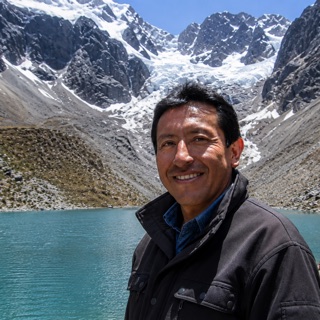 By Carlos Mamani, Humantay Lake tour guide & high-altitude specialist
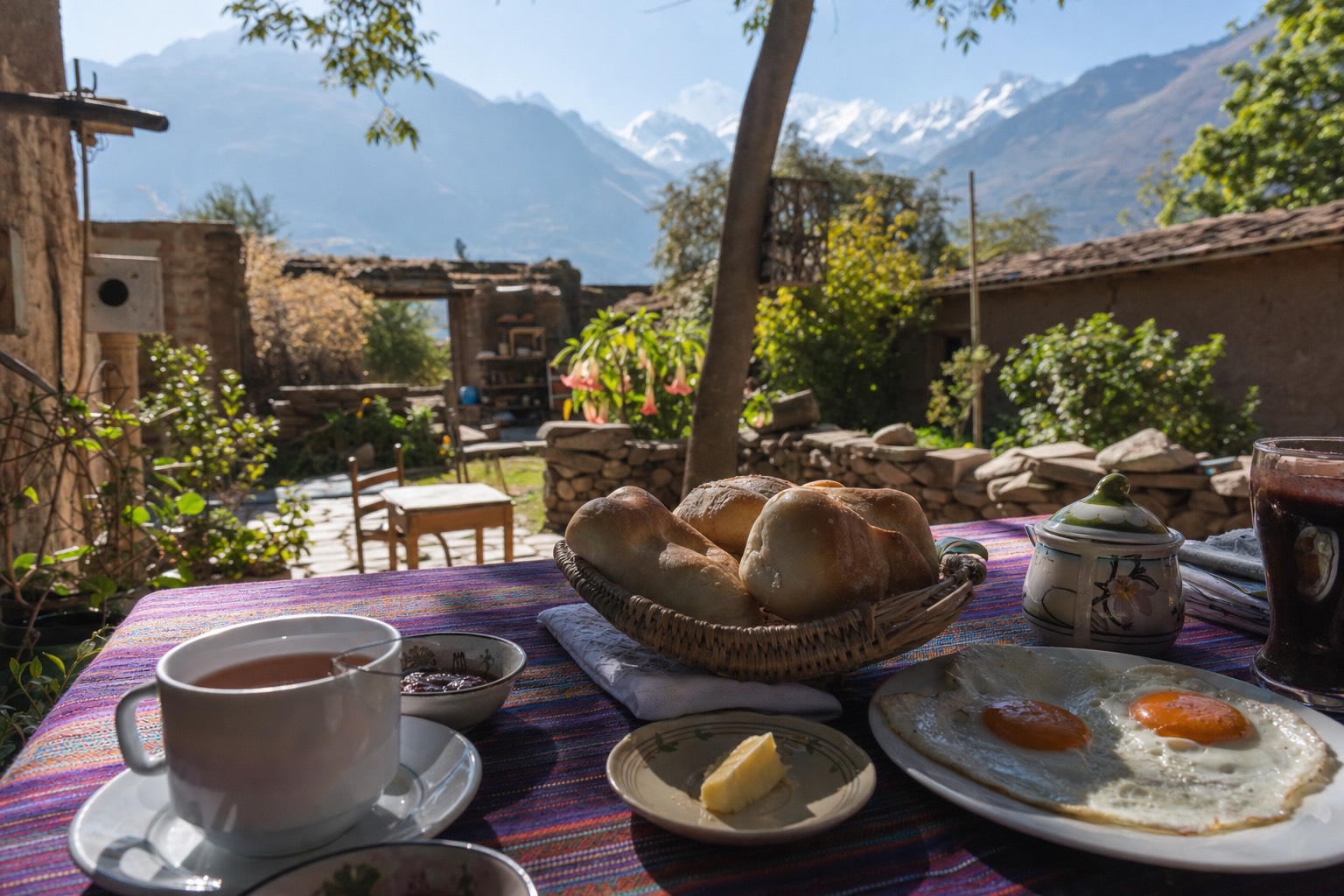
Around 5:30 in the morning, Mollepata smells like woodsmoke and wet eucalyptus. The vans roll in off the Limatambo road with their headlights still on, doors slide open, and forty half-asleep travellers shuffle into warm courtyards where someone has been up since four boiling water for tea. I have watched this scene play out for years, and I still think the meal stops are the most underrated part of the whole Humantay day. People book for the turquoise. They come home talking about the soup.
Booking choice: Discover the Mollepata meal stops built into the lake day. Check Humantay Lake dates
Affiliate recommendation · final price and options on GetYourGuide.Where you actually are: a valley village on the Salkantay road
Mollepata is a farming village in Anta province at roughly 2,800 to 2,900 metres, about two hours' drive from Cusco on the road toward the Salkantay valley. Every meal stop on the Humantay day trip happens here, both the pre-dawn breakfast and the buffet lunch after the descent.
The geography explains the routine. Mollepata sits lower than Cusco, in a mild valley where farms still grow maize and fruit, and it is the last real village before the road turns rough and climbs toward the Soraypampa trailhead. Trekkers bound for the multi-day Salkantay route pass through the same plaza, which is why on any given morning the courtyards hold an odd mix of day trippers in clean sneakers and trekkers with duffel bags, and I wrote about how those two tribes share a trail in day trippers and Salkantay trekkers.
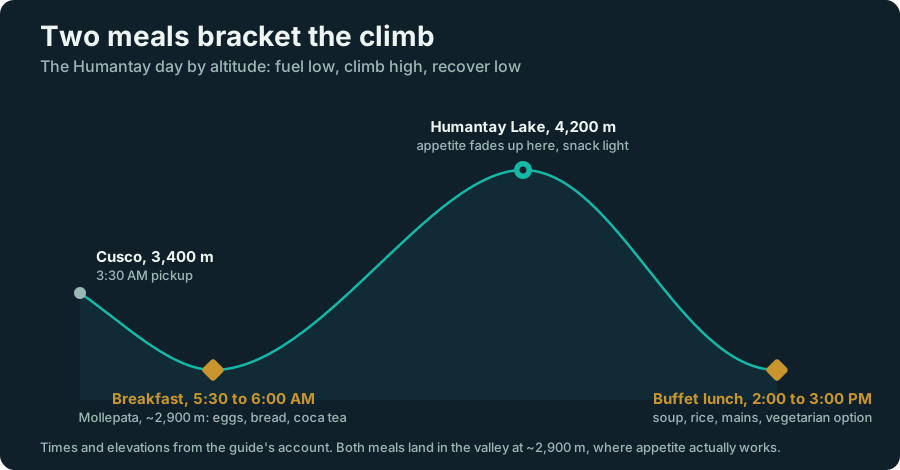
For your body, the stop is a gift. You left Cusco at 3,400 metres, you will hike to 4,200, and Mollepata gives you a warm hour at a friendlier altitude in between. Eating comes easier down here. Appetite gets unreliable higher up, which is exactly why the tours feed you in the valley rather than at the trailhead.
The village itself rewards ten spare minutes. Step out to the plaza, watch the light come up over the fields, and you will see the mountains you are about to drive into.
The day runs on a fixed feeding rhythm, and it helps to see it laid out before you live it at 3 AM.
| Meal moment | Rough time | Elevation | What it does for you |
|---|---|---|---|
| Van pickup, no meal | 3:30-4:00 AM | Cusco, ~3,400 m | Sleep through the drive; a banana at most |
| Breakfast, Mollepata | ~5:30-6:00 AM | ~2,900 m | Hot food in you two hours before the climb |
| Trailhead snack stands | ~8:00 AM | ~3,850 m | Optional top-up only, never a meal plan |
| Buffet lunch, Mollepata | ~2:00-3:00 PM | ~2,900 m | Recovery at valley altitude after the descent |
The pre-dawn breakfast that saves the hike
Breakfast is simple, hot, and exactly what the climb needs: bread with jam and butter, scrambled eggs, fruit juice, and a table of coffee, hot chocolate, and mate de coca. It lands around 5:30 to 6:00 AM, which means real food in you a full two hours before the trail starts climbing.
Nobody wants food at 3:30 AM when the van picks you up, and the smart tours do not try. They let you sleep against the window through the dark switchbacks past Limatambo and hand you breakfast when your stomach has woken up. By the time groups sit down in Mollepata, the 3:30 alarm feels survivable. I have more to say about that particular alarm in the 3:30 AM alarm, but the short version is that breakfast is the apology for it.
What is on the table, on the tours that include it properly:
| On the breakfast table | Notes from the courtyard |
|---|---|
| Bread, jam, butter | Andean rolls, usually warm; take two |
| Scrambled eggs | The protein that carries you to the trailhead |
| Fruit juice | Often papaya or a local mix |
| Coffee and hot chocolate | The chocolate is the sleeper hit on cold mornings |
| Mate de coca | Traditional Andean tea for the altitude, worth trying at least once |
| Yogurt, cereal, fruit | Appears on the better spreads; guacamole and tequeños show up too |
Eat properly, but do not feast. High-carbohydrate, moderate portions is the standard medical advice for altitude days, and CDC guidance for high-altitude travel pairs that with the two rules I repeat until guests are sick of me: drink water constantly, and skip alcohol entirely the night before and the day of the hike. The coca tea is tradition rather than proven medicine, and I tell guests exactly that. It is a warm, mildly bitter ritual that connects you to how this region has handled altitude for centuries. Enjoy it as that.
One practical note: this is also your last comfortable bathroom for hours. Use it. Guides mean this advice more sincerely than any other advice they give.
What the buffet lunch does after the descent
Lunch back in Mollepata around 2:00 to 3:00 PM is the emotional reset of the day. After a steep descent on tired legs, a buffet of soup, rice, pasta, salads, and grilled meats, with a vegetarian option, turns a shaky, drained group back into people telling stories. Morale, restored by quinoa soup.
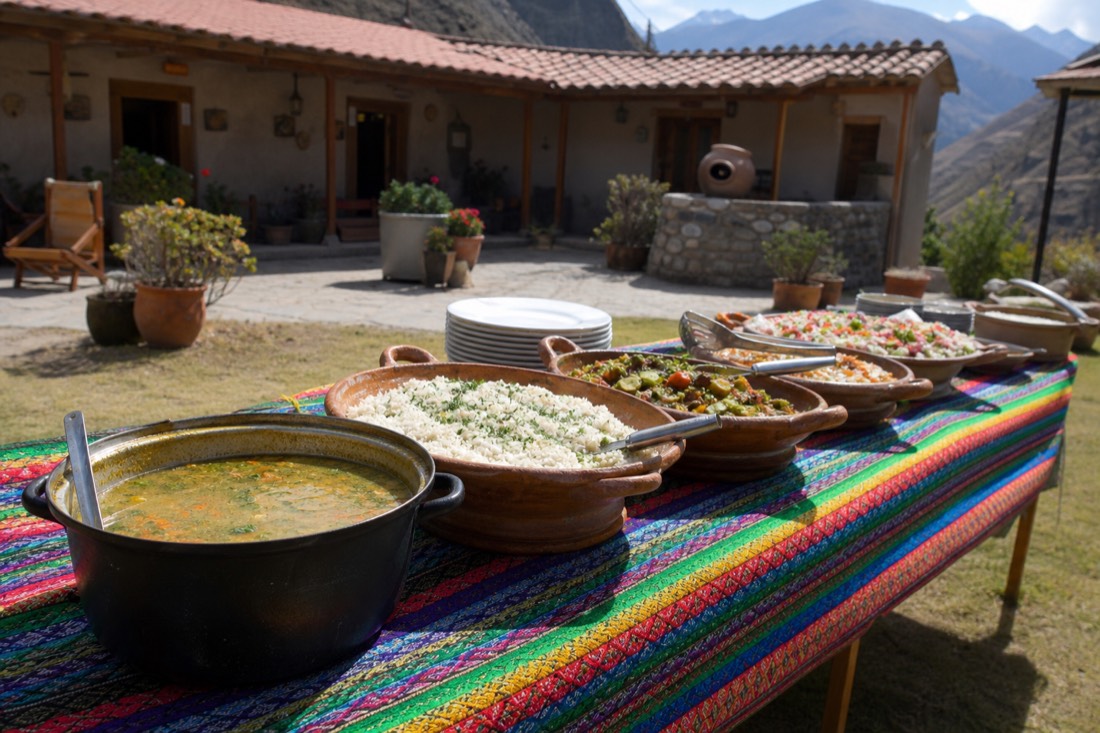
There is a particular silence in the van between Soraypampa and Mollepata on the way back. Everyone is proud, everyone is wrecked, nobody talks. Then the food arrives and the day flips. I have seen guests who barely spoke all morning become the loudest table in the courtyard over a second bowl of soup. Something about descending 400 metres of rocky trail earns a buffet in a way no city lunch can match.
The spread is proper Peruvian home cooking scaled for hungry hikers:
| Buffet course | Typical dishes | Vegetarian angle |
|---|---|---|
| Soup | Quinoa or vegetable soup, always hot | Almost always vegetarian by default |
| Mains | Grilled chicken, lomo-style beef, trout some days | Tortilla de verduras, saltado de verduras |
| Carbohydrates | Rice, pasta, potatoes in several forms | All fair game, and this is potato country |
| Salads | Fresh valley vegetables, beets, avocado | The valley grows most of it nearby |
| Drinks | Juice, infusions, coca tea again | Same table for everyone |
The vegetarian option on the featured tour is real, not an afterthought, but say it when you book and remind the guide at breakfast. Kitchens in a village of this size cook to the count they are given in the morning. Tell them early and you eat as well as anyone at the table.
Altitude does odd things to appetite even after you descend, so if you still feel queasy, start with the soup and the rice and let the rest wait. Salt, warmth, and fluid are what a body that just worked hard at 4,200 metres actually asks for first.
Why included meals beat the trailhead snack stands
Soraypampa has small stands selling water, chocolate, and snacks at trailhead prices, and they are fine for topping up. They are not a meal plan. A tour with both meals included costs less than improvising, removes two decisions from a 3:30 AM brain, and feeds you at the altitudes where eating actually works.
I am not against the stands. The señoras at Soraypampa have saved plenty of my guests who underpacked snacks, and buying a chocolate bar at 3,850 metres supports families who live along this route. But I have also watched travellers on meal-free tours try to assemble lunch out of crackers and a sports drink after the descent, and the maths never favours them:
| Both meals included | Improvising on the day | |
|---|---|---|
| Pre-hike food | Hot breakfast at 5:30, sitting down | Whatever your hostel wrapped at 3 AM, eaten in a van |
| Post-hike food | Full buffet within an hour of the trailhead | Snack-stand crackers, then nothing until Cusco at 7 PM |
| Where you eat | Valley altitude, where appetite works | Trailhead altitude, where it often does not |
| Cost control | Fixed in the tour price | Trailhead premiums, plus a Cusco dinner you are too tired to enjoy |
| Decisions required at 3:30 AM | Zero | Several, made badly |
That last row is the honest one. Nobody makes good logistics decisions at 3:30 AM. The whole point of a well-built day tour is that the thinking has been done for you, and meals are the clearest example. Meals included is not a luxury add-on at this altitude. It is the difference between finishing the day strong and finishing it hollow.
Eating at altitude: the notes I give every group
Eat light and often rather than huge and rarely, favour carbohydrates, drink far more water than feels necessary, and treat alcohol as cancelled until you are back in Cusco. Appetite loss and mild nausea are normal above 4,000 metres and pass as you descend. Push fluids anyway.
The science here is boring and settled. Your body at altitude is working harder, burning more, and simultaneously less interested in food, which is a rude combination. The pattern that works is the one the tour structure already imposes: solid breakfast low, small snacks high, real lunch low again. Add a litre of water on the trail minimum, more if the sun is out, because the dry air at 4,000 metres strips moisture from you with every breath.
A few specifics guests ask about every week. Coca tea at breakfast is fine and traditional; do not expect miracles from it. Sweets and chocolate on the trail are genuinely useful, fast fuel at the moment your legs are negotiating the steep middle section. And if a headache or queasiness builds past mild, tell your guide immediately instead of soldiering through the buffet planning. The full picture of how to prepare your body for this day is in my guide to altitude and acclimatization, and it starts long before Mollepata: two days minimum in Cusco before you attempt this hike.
The meals will not photograph like the lake. No one flies to Peru for scrambled eggs in a courtyard. But ask anyone who has done this day properly what held it together, and somewhere between the 3:30 alarm and the turquoise, they will mention a warm bread roll in a cold village at sunrise. The lake is the postcard. Mollepata is the reason you enjoyed it.
Your next step
Choose your day from Cusco
Match the trip to your plans · compare costs
Compare your own quotes
Enter two totals for the same party and currency, including entry, meals, transport and any horse costs. These are your estimates, not live prices.
General recommendation · confirm your own requirements
Humantay Lake with breakfast and buffet lunch
Have a date in mind? Let one booking cover the ride to Soraypampa, your guide and both meals. Check your departure before arranging the rest of your trip.
12–13.5 hours · Transport, English/Spanish guide, breakfast and buffet lunch, first aid and emergency oxygen. Entrance fee and optional horse are extra, paid locally in cash.
Choose the historic-center pickup option and confirm your hotel; other options use a meeting point. Downtown Cusco drop-off.
A steep high-altitude hike. Not suitable for pregnancy, mobility or respiratory limitations, vertigo or low fitness. A horse does not remove the walking or altitude requirements. Free cancellation until 24 hours before departure.
Affiliate links: we may earn a commission if you book, at no extra cost to you.