Humantay Lake Altitude: How Do You Acclimatize for 4,200 m?
The lake sits 800 metres above Cusco's plaza. Your body can handle that jump, but only if you give it time first. Here is the acclimatization plan I give my own guests.
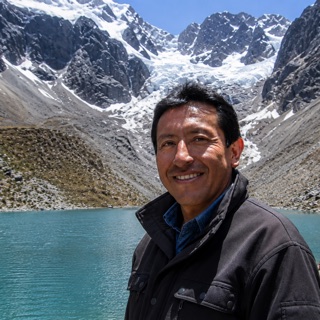 Written with Carlos Mamani, Humantay Lake tour guide & high-altitude specialist
Short answer
Spend at least two full days in Cusco (3,400 m) before hiking to Humantay Lake at 4,200 m. Hydrate constantly, skip alcohol, eat light and walk slowly. Mild soroche, headache and breathlessness, is common and manageable; worsening symptoms at rest mean descend and see a doctor. The featured tour carries emergency oxygen.
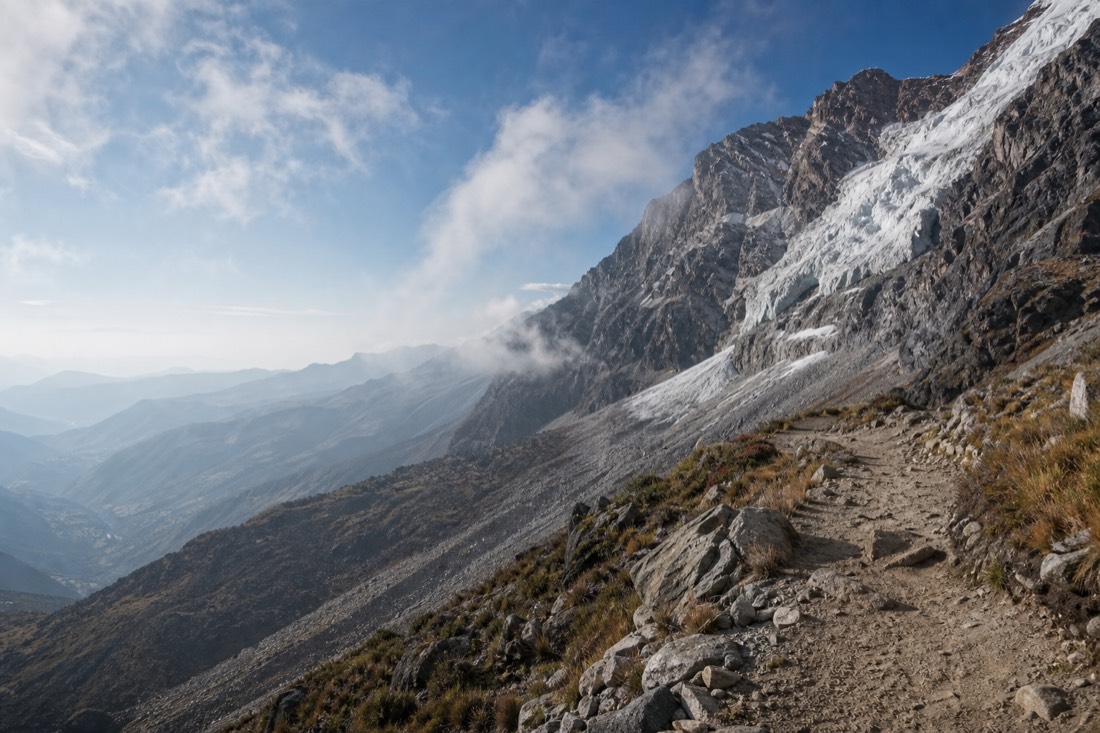
Altitude is the invisible passenger on every Humantay trip. You cannot see it in the photos, you cannot train for it at the gym, and it does not care that you ran a half marathon in April. I have spent my working life above 3,400 metres, guiding professionally since 2020 and walking this particular valley with visitors since 2022, and the guests who struggle are almost never the unfit ones. They are the ones who landed yesterday.
This guide is the talk I wish I could give every traveller two days before their alarm goes off at 3:00 AM.
Booking choice: See the full Humantay hiking day before placing it in your acclimatization schedule. Check Humantay Lake dates
Affiliate recommendation · final price and options on GetYourGuide.How high is Humantay Lake compared to Cusco?
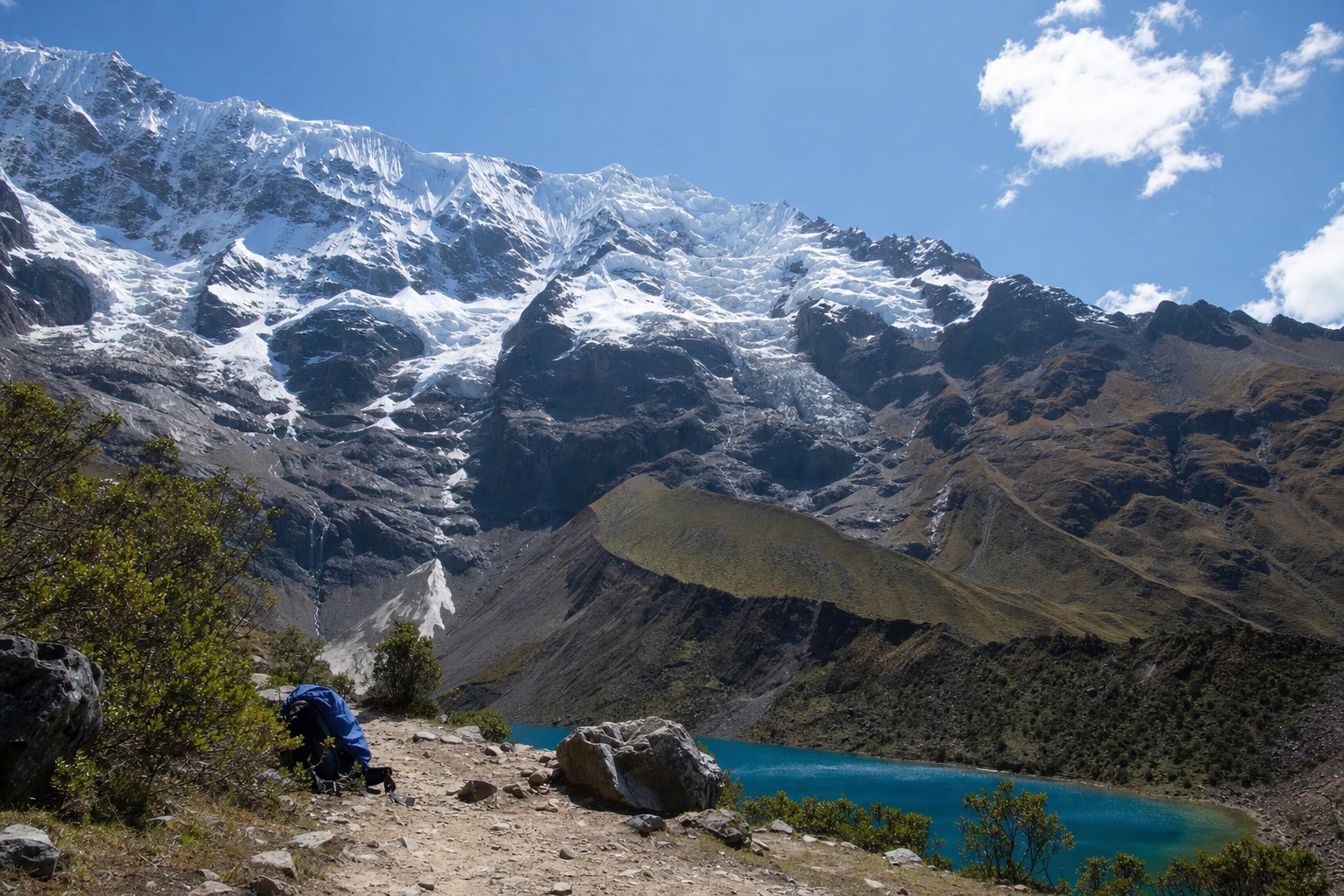
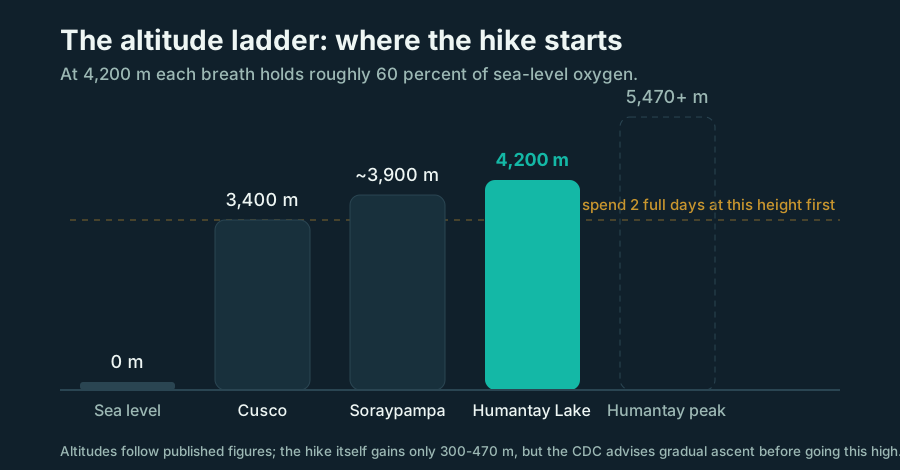
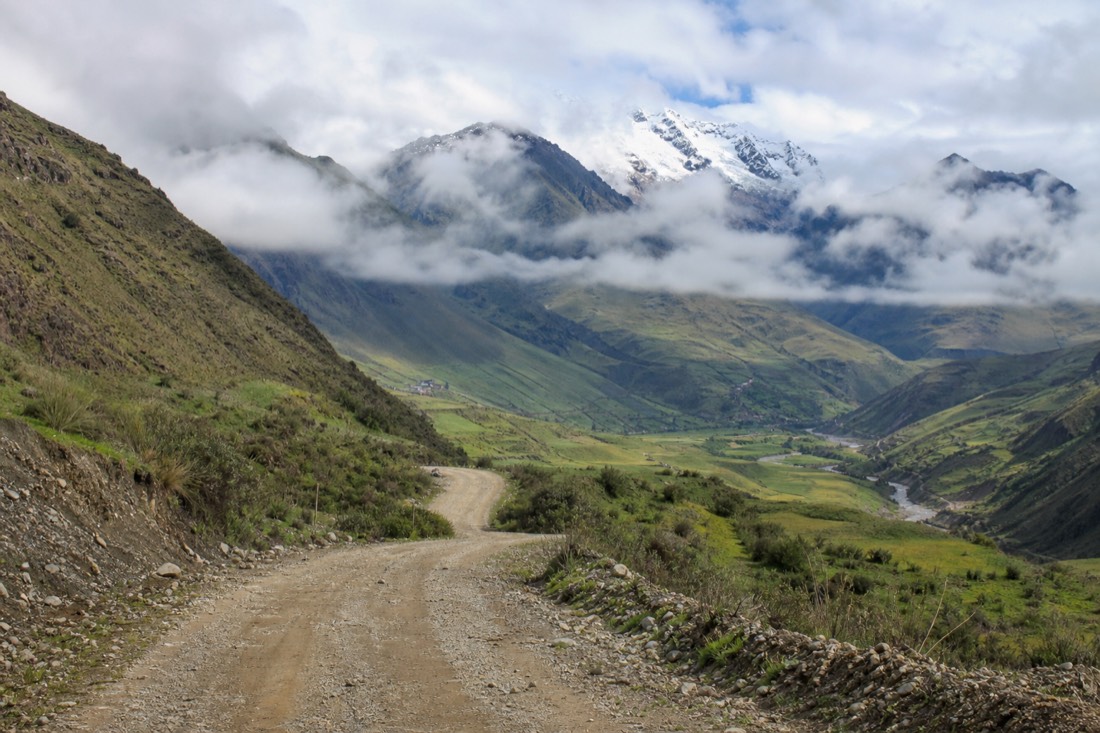
Humantay Lake sits at about 4,200 metres, roughly 13,780 feet. Cusco city is around 3,400 metres and the Soraypampa trailhead about 3,850 to 3,900 metres. So the hike itself climbs only 300 to 470 metres, but you do all of it in thinner air than almost any point in North America or Europe.
Stack those numbers against places you may know and the scale becomes clear.
| Location | Altitude | Context |
|---|---|---|
| Cusco city | ~3,400 m / 11,150 ft | Higher than any ski resort base in the Alps |
| Soraypampa trailhead | ~3,850-3,900 m / ~12,700 ft | Where the hike starts, after a 3 h drive |
| Humantay Lake | ~4,200 m / ~13,780 ft | Just below the height of Mont Blanc's summit ridge |
| Humantay peak above | 5,470+ m | The glacier feeding the lake hangs from it |
At 4,200 metres each breath delivers roughly 60 percent of the oxygen you get at sea level. Your body compensates beautifully, but the compensation machinery takes days to switch on. That is the entire logic of acclimatization: arrive early enough for your blood to catch up with your itinerary.
Notice something encouraging in the table, though. Cusco already does most of the work. If you can walk that city's stairs comfortably, the extra 800 metres to the lake is a manageable step rather than a leap.
What does soroche actually feel like?
Soroche, altitude sickness, usually announces itself with a headache, then adds fatigue, dizziness, poor appetite, nausea or broken sleep. Mild symptoms are common in new arrivals and fade within a day or two. Symptoms that worsen while you rest are the red flag that separates discomfort from danger.
Studies of travellers arriving in Cusco have found that close to half report some level of altitude sickness, so if you feel rough on day one you are in large company. The mistake is treating that as something to push through on a 4,200-metre trail the next morning.
Here is the severity scale I use with guests, simplified from what the medical guidance says.
| Level | What you feel | What to do |
|---|---|---|
| Mild | Headache, tiredness, light nausea | Rest, hydrate, painkiller, stay at current altitude |
| Moderate | Headache that resists painkillers, vomiting, worsening at rest | Do not ascend; descend if no improvement |
| Severe | Confusion, stumbling, breathlessness at rest, wet cough | Emergency: descend immediately, seek medical help |
The severe row describes HACE and HAPE, swelling of the brain or fluid in the lungs. They are rare on a day trip like this one, precisely because the exposure is short and buses can descend fast, but every guide in this valley knows the signs. The CDC's altitude illness guidance states the rule plainly: if symptoms get worse while you are resting, go down. Altitude problems are cured by descent, and the road back to Mollepata drops quickly.
How many days should you acclimatize in Cusco?
Two full days minimum, and three is kinder. Fly in, then plan two easy Cusco days before the lake: gentle walking, big meals early, alcohol never, sleep long. The CDC recommends gradual ascent and warns against jumping straight from sea level to sleeping elevations like Cusco's, so treat those first days as part of the trip, not dead time.
Here is the plan I give friends who visit me, structured as the 48 hours before the hike.
| Day | Do | Avoid |
|---|---|---|
| Arrival day | Walk slowly, nap if needed, drink 3+ litres of water, light dinner | Alcohol, big climbs to viewpoints, heavy meals |
| Day 2 | Explore the flatter city centre, hydrate, early night | Alcohol, strenuous ruins hikes, sleeping pills |
| Hike day | 3:30 AM pickup, small steps, water and snacks all morning | Racing anyone, skipping breakfast |
Travellers arriving from Lima with a flexible schedule sometimes build that gradual ascent into the journey itself, rather than treating it as downtime once they land. Overland bus networks like Peru Hop (check prices here) connect the coast to Cusco through Arequipa and Puno over several days, so the altitude gain happens in stages instead of on a single two-hour flight.
Cusco itself makes a genuinely pleasant acclimatization base, and those two days are not a sacrifice: the city rewards slow wandering. If you want to structure them well, my Cusco altitude guide maps out which neighbourhoods and day activities stay gentle and which ones secretly climb 200 metres of staircases.
Travellers on tighter schedules sometimes ask about acetazolamide (Diamox). Current medical guidance says it genuinely speeds acclimatization, typically 125 mg twice daily starting the day before ascent, but it is prescription medication with side effects. That conversation belongs with your doctor before you fly, not with a guide and not with a pharmacy queue the night before.
What actually helps: coca tea, water, slow pace?
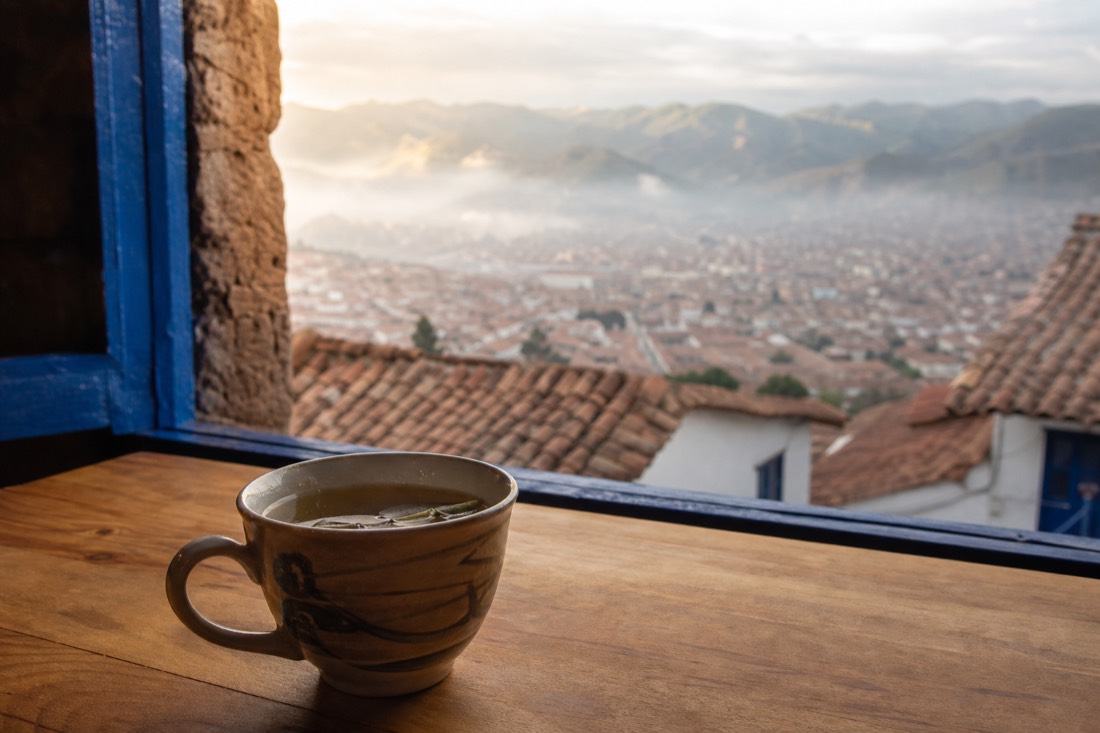
Water, pace and patience carry the most weight. Hydration keeps your blood moving oxygen efficiently, a slow pace keeps demand below supply, and alcohol undoes both. Coca tea is a warm Andean tradition worth enjoying, but treat it as comfort rather than protection. Nothing replaces the two days of acclimatization.
I grew up with coca tea and I still drink it, so this is not scorn. But honesty matters more than tradition here: one study of travellers arriving at Cusco's airport found that coca users actually reported more altitude symptoms, likely because people leaned on the tea instead of resting. Enjoy the mate, then do the boring things too.
| Remedy | Verdict | Notes |
|---|---|---|
| 2+ days in Cusco first | The one that matters | Nothing substitutes for time |
| Water, 3+ litres daily | Strong yes | Dehydration mimics and worsens soroche |
| Slow, rhythmic pace | Strong yes | You should always be able to speak a sentence |
| No alcohol before the hike | Strong yes | Alcohol dehydrates and disturbs sleep |
| Coca tea | Pleasant, unproven | Tradition and warmth, not a shield |
| Acetazolamide | Works, ask a doctor | Prescription prophylaxis, start before ascent |
Pacing deserves one more line because it is the tool you control on the trail itself. The switchbacks above Soraypampa are steep, and the walkers who fare best take small steps matched to their breathing from the first metre. I break down the full climb, section by section, in the hike difficulty guide.
When should you see a doctor?
Before the trip if you have heart or lung conditions, take regular medication, or want Diamox. During the trip if a headache resists painkillers, symptoms worsen while resting, or anyone shows confusion, stumbling or breathlessness at rest. Cusco has clinics accustomed to altitude cases, and hotels can call one at any hour.
The pre-trip conversation matters more than people think. The featured tour's own listing excludes pregnant travellers and people with respiratory or serious mobility issues, and that is not gatekeeping, it is physics. If you are managing blood pressure, asthma or anything cardiac, a ten-minute chat with your doctor turns uncertainty into a plan.
On the ground, the practical threshold I give guests is simple: soroche you can walk off is normal, soroche that follows you to bed and gets louder is not. Cusco's clinics see altitude cases every single day and treat them quickly, usually with oxygen, fluids and observation. Nobody will think you dramatic.
And a note for the trail itself. Guides in this valley watch faces the whole way up. We are trained to spot the grey-lipped, wobbly walker before they feel it themselves, and turning one person around early is a normal, quiet part of the job. Telling your guide how you feel is not complaining, it is data we want. The most common mistakes I see, and how to dodge every one of them, are in my post on altitude mistakes first-timers make.
What happens if you get sick on the trail?
You will not be improvising alone. The featured departure carries a first aid kit and an emergency oxygen bottle, the guide monitors the group the whole climb, and the vehicles at Soraypampa can descend to Mollepata quickly. Most trailside soroche resolves with rest, oxygen and losing altitude, in that order.
That oxygen bottle earns its seat on the bus a few times a season. The typical case is undramatic: someone gets light-headed on the switchbacks, sits down, breathes supplemental oxygen for a few minutes, feels human again, and either finishes slowly or waits at the midpoint while their group visits the lake. Descent does the rest. The steep road home is, for once, a medical feature.
This is the honest reason I point people toward a guided departure rather than a solo mission for their first time at 4,200 metres.
Respect the altitude for two days and it will let you stand at that turquoise shore feeling strong. Rush it, and the mountain sends you home early. The choice, happily, is entirely yours to make in advance.
How I pace a group that landed in Cusco yesterday
When someone books the lake for their first full day at altitude, I do not lecture, I adjust. Shorter early goals, extra water stops, a slower cadence from the very first step, and constant face-watching all morning. A guide cannot buy back the acclimatization days a traveller skipped, but careful pacing and quick oxygen turn a risky morning into a manageable one.
I want to be honest about my role here. I do not personally lead the specific departure this site books, and I would never claim to. What I can tell you is what any experienced Humantay guide does with an under-acclimatized group, because I have done it many times since 2022: you watch, you slow the pace, and you set a private turnaround line in your head before anyone gets into trouble.
The watching is the real skill. I read lips for colour, I read gait for balance, and I listen for the moment a talkative walker goes quiet. Those three signs tell me more than any question, because tired people underreport how they feel, especially the fit ones who assume the mountain owes them a good day. When I see two of them together, the group slows whether they like it or not, and nobody has ever thanked me later for the pace they wanted at the time.
I read the sky before we climb, the way a thousand mornings have taught me to. A hard, clear dawn usually means a stable window to the shore and back. Fast-moving cloud spilling over the ridge means wind and a possible squall on the exposed switchbacks, and I pace the group tighter and warmer for it. None of that decides whether we go, but it changes how I run the climb, from where I put the rest stops to how early the extra layers come out. That kind of read is exactly what a first-timer walking the trail alone does not have yet, and it is the sort of quiet judgment that keeps a marginal morning safe.
Oxygen comes out earlier than most visitors expect. A few minutes of supplemental oxygen on the switchbacks, a sit-down, some water, and most light-headed walkers are ready to either finish slowly or wait comfortably while the group visits the shore. The steep road back to Mollepata is the ultimate safety net, since altitude problems ease the moment you lose height. If you want the fuller picture of what can go wrong and how it is handled, the safety guide and my post on altitude mistakes first-timers make both go deeper than I can here.
The turnaround call is the part guests find hardest, so I make it easy by owning it. I decide, not them, and I frame it as routine from the very first briefing: some people turn back, it is a normal part of a normal day, and the lake is not going anywhere. Taking that decision off a struggling walker's shoulders removes the ego from it. Nobody wants to be the one who quit, but nobody argues when the guide simply says, quietly, that today they will wait at the midpoint while the group goes up. That small piece of theatre has kept more people safe than any single bottle of oxygen.
| What I watch for | What it usually tells me | My move on the trail |
|---|---|---|
| Grey or bluish lips | Oxygen dropping, early soroche | Stop, water, slow the whole group |
| A stumbling, wide gait | Balance affected, a real warning | Sit them down, oxygen, reassess |
| Short, gasping answers | Pushing well past a safe pace | Shorten steps, lengthen the rest |
| Silence from a chatty walker | Quietly struggling, hiding it | Check in directly, one to one |
| A headache that will not ease | Soroche settling in for real | No higher; consider turning back |
How common is altitude sickness on a trip like this?
More common than most people expect. A study of travellers arriving at Cusco's airport found close to half reported some altitude sickness, and roughly one in six had a severe form. Most cases are mild and pass with rest, water and time. Your habits in the first 48 hours move those odds far more than your fitness does.
That headline number surprises people, so sit with it: if you feel rough on your first day in Cusco, you are in the company of nearly half the plane. The mistake is treating that day-one discomfort as something to power through on a 4,200-metre trail the next morning. The same study found two threads worth knowing. Travellers who used acetazolamide under medical advice tended to fare better, while those leaning on coca tea actually reported more symptoms, most likely because the tea became a substitute for the resting they needed.
Here is the counterintuitive part those numbers hide. Fitness does not protect you from soroche, and it can even work against you, because strong people push harder and climb faster, outrunning the pace their un-adapted blood can support. Altitude sickness is a lottery weighted by how much time you have spent high and how gently you ascend, not by your resting heart rate. I have turned back triathletes and walked grandmothers to the shore in the same week, and the only reliable difference between them was days in Cusco.
Timing matters more than people expect too. Soroche usually shows up six to twelve hours after you arrive somewhere higher, not the instant you land, which is exactly why the day-one traveller feels fine at the airport and dreadful by dinner. On the hike itself, symptoms tend to build across the climb rather than strike all at once, so the walker who felt strong at the trailhead can be the one quietly fading on the top switchbacks. That delay is the whole argument for giving Cusco its two full days before you ask your body to stand at 4,200 metres.
| The number | What it means for you |
|---|---|
| ~48% of arrivals report soroche | Feeling rough on day one is normal, not alarming |
| ~17% report severe symptoms | A real minority; take worsening signs seriously |
| Acetazolamide, doctor-approved | Linked to lower odds when started before ascent |
| Coca tea | Tied in the same study to more symptoms, not fewer |
| 2,750 m in one day | The single-day jump CDC advises against from low elevation |
Set against those figures, a Humantay day trip is not as risky as the altitude alone suggests, and the reason is time. Your exposure to 4,200 metres lasts an hour or two, not overnight, and the vehicles can drop you back toward Mollepata within the hour if anything turns. The CDC's high-altitude guidance frames the whole game as gradual ascent, and a short daytime peak followed by a fast descent is about the gentlest way to touch that elevation.
For travellers on tight schedules, acetazolamide comes up often enough that it deserves its own summary. It genuinely helps, but it is prescription medication with real side effects, and the decision belongs with a doctor before you fly rather than a guide or a pharmacy the night before.
| Diamox question | What the guidance says |
|---|---|
| Does it work? | Yes, it speeds acclimatization and eases symptoms |
| Typical dose | 125 mg every 12 hours, from the day before ascent |
| How long | Through the first couple of days at altitude |
| Who decides | Your doctor, before you fly, not a pharmacy queue |
| Substitute for the days? | No; the two Cusco days still do the heavy lifting |
The single cheapest insurance is water, and most people drink far too little of it. At altitude you lose moisture through faster breathing and dry mountain air without ever feeling thirsty, and mild dehydration both mimics and deepens every symptom of soroche. Three litres a day across your Cusco stay is a sensible floor, more on the hike itself, sipped steadily rather than gulped down at rest stops. It will not acclimatize you on its own, but skipping it can quietly undo two careful days in a single afternoon.
None of this replaces the plan at the top of the page. Give Cusco two unhurried days, drink more water than feels necessary, save the pisco sours for after the hike, and the odds tilt hard in your favour. The road home does the rest, which is one more reason a short, well-supported day trip is the honest way to meet this altitude for the first time.
Your next step
Choose your day from Cusco
Match the trip to your plans
General recommendation · confirm your own requirements
Humantay Lake with breakfast and buffet lunch
Have a date in mind? Let one booking cover the ride to Soraypampa, your guide and both meals. Check your departure before arranging the rest of your trip.
12–13.5 hours · Transport, English/Spanish guide, breakfast and buffet lunch, first aid and emergency oxygen. Entrance fee and optional horse are extra, paid locally in cash.
Choose the historic-center pickup option and confirm your hotel; other options use a meeting point. Downtown Cusco drop-off.
A steep high-altitude hike. Not suitable for pregnancy, mobility or respiratory limitations, vertigo or low fitness. A horse does not remove the walking or altitude requirements. Free cancellation until 24 hours before departure.
Affiliate links: we may earn a commission if you book, at no extra cost to you.