Landing at 3,400 m: How to Handle Your First Days in Cusco
Your plane lands higher than most European ski summits. A high-altitude guide on what the first two days feel like, and the plan that gets you to the lake feeling strong.
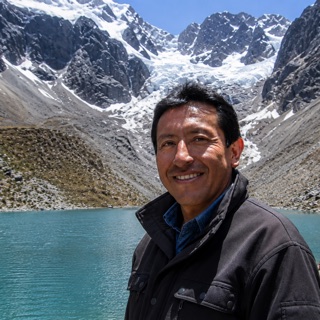 Written with Carlos Mamani, Humantay Lake tour guide & high-altitude specialist
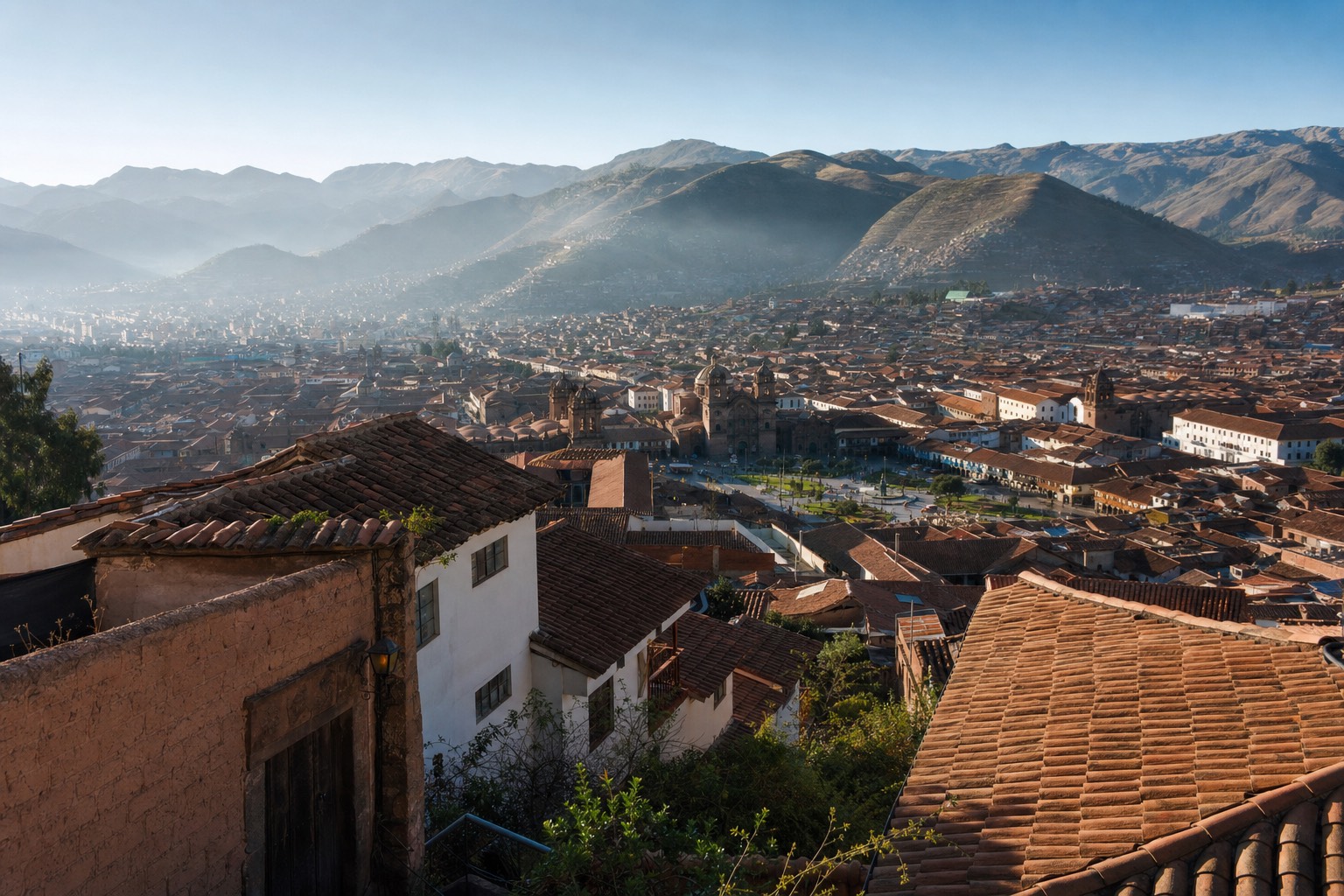
Short answer
Cusco sits at about 3,400 m, and roughly four in ten unacclimatized visitors feel altitude sickness within the first day. Take a quiet first day, spend day two low in the Sacred Valley, and schedule Humantay for day three or four. Hydrate constantly, skip alcohol early, and know the warning signs.
The jet bridge at Cusco airport is where I can already spot who read about altitude and who did not. Some people walk out of the terminal slowly, sunglasses on, water bottle in hand. Others jog for the taxi rank, and I know roughly what their evening looks like. I have worked at altitude since 2020 and guided visitors on the Humantay day since 2022, and the pattern never changes: the travellers who respect the first 48 hours get a magnificent week, and the ones who sprint through them spend a day in bed. This page is the arrival plan I wish every guest had before they land.
Booking choice: Check your lake date after leaving acclimatization days free. Check Humantay Lake dates
Affiliate recommendation · final price and options on GetYourGuide.How high is Cusco, and why does it hit so hard?
Cusco sits at 3,399 m, about 11,150 ft, higher than almost anywhere most visitors have ever slept. Studies of travellers here have found roughly 37 to 48 percent report acute mountain sickness, with symptoms typically starting 2 to 12 hours after arrival. The cause is simple: less oxygen per breath, and a body that needs days to adjust.
The number that matters is not the summit of your hike, it is the altitude of your bed. Most visitors fly in directly from Lima at sea level, and by dinner they are sleeping at Cusco's 3,399 m. That jump skips every acclimatization stage a mountaineer would plan. A slower alternative exists for travellers with days to spare: hop-on hop-off bus networks like Peru Hop connect Lima to Cusco overland through Paracas, Huacachina, Nazca, Arequipa and Puno, so the altitude climbs over several days of travel instead of a two-hour flight. The air at this elevation carries roughly a third less oxygen per breath than the coast, and your body's fixes, faster breathing first, more red blood cells later, take hours and days respectively.
The science on how many people feel it is sobering. A cross-sectional study of travellers at Cusco's airport found 48.5 percent reported acute mountain sickness, called soroche here, with 17.1 percent describing severe symptoms; more recent summaries put typical incidence around 37 percent. Either way, feeling rough on arrival is not a personal failing, it is close to a coin flip.
Soroche does not care how fit you are. Marathon runners get it while their grandmothers do not; the strongest predictor is how fast you gained altitude and what you did in the first hours, not your gym schedule. That is actually good news. Unlike fitness, the arrival plan can be fixed this week, and everything below is that plan.
What do the first 48 hours actually feel like?
Hour one usually feels fine, which fools people. A mild headache, breathlessness on stairs and poor sleep commonly arrive between hours 2 and 12, peak on the first night or second morning, and fade through day two if you rest. By hour 48, most visitors who took it slowly feel close to normal.
Here is the honest timeline I describe to guests, hour by hour.
| Window | What most people feel | What to do |
|---|---|---|
| Hours 0-2 | Fine, maybe lightheaded on stairs | Walk slowly, start drinking water |
| Hours 2-12 | Headache begins, short of breath, tired | Rest, hydrate, light dinner, no alcohol |
| First night | Broken sleep, odd breathing rhythms | Normal at altitude; sleep propped up if it helps |
| Hours 12-36 | Symptoms peak then start easing | Gentle strolls only, keep drinking, coca tea |
| Hours 36-48 | Noticeably better for most | Light activity, test yourself on a mild slope |
| Day 3+ | Near normal if the above went well | Ready for a big day like the lake |
The strange sleep deserves a word because it frightens people. Many healthy visitors experience periodic breathing at altitude, a cycle of deep breaths and pauses during sleep. It feels alarming and usually is not, but it is one more reason the first nights matter and the first-night party does not. Cusco's bars will still be there on day four.
The other surprise is how local the symptoms are. You can feel fine on the flat Plaza de Armas and terrible on the staircase to your San Blas guesthouse two minutes later. Choose your first-night accommodation accordingly; my where to stay guide maps which streets spare your lungs.
What acclimatization plan sets up a good Humantay hike?
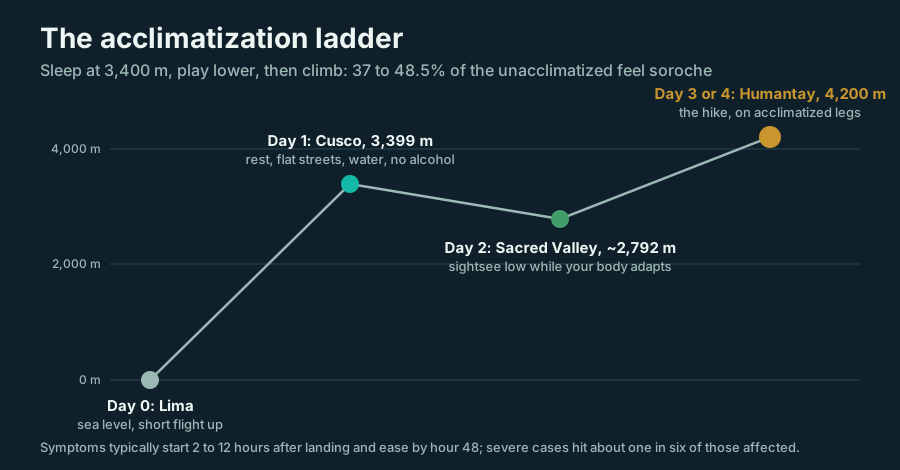
Give Cusco two nights before any high hike. Day one: arrive, rest, walk flat streets only. Day two: go lower, ideally a Sacred Valley day around 2,800 m. Day three or four: Humantay. This sequence, sleep high with a gentle low day in between, is the practical version of what altitude medicine recommends.
The lake sits at 4,200 m, some 800 m above your Cusco bed, and the trail climbs steeply. Attempt it on arrival day and the altitude will write the story. Give it two or three days of preparation and the same trail becomes a hard, wonderful morning. Here is the sequence I recommend, and why each day earns its place.
| Day | Plan | Altitude logic |
|---|---|---|
| 1 | Arrive Cusco, historic center, rest | First 12 hours are for adaptation, not sights |
| 2 | Sacred Valley: Pisac, Ollantaytambo (~2,800 m) | Hours spent lower ease symptoms while you still sightsee |
| 3 | Humantay Lake, or one more easy day | Most people are ready; listen to your body |
| 4 | Humantay if you gave yourself day 3, or Rainbow Mountain | The highest days belong at the end |
The Sacred Valley day is the trick most first-timers miss. Ollantaytambo sits near 2,792 m, meaningfully below Cusco, so a valley day means your body works less while your eyes work more. Even the CDC's altitude guidance notes that spending nights lower than your arrival point is a legitimate way to soften the adjustment. If you would rather compare all the options for those warm-up days, my ranking of the best day trips from Cusco orders them low to high for exactly this reason.
Getting to Cusco overland
Travellers who want more than a couple of days to adjust sometimes skip the direct flight from Lima altogether. Peru Hop (check prices here) runs a hop-on hop-off bus network from Lima down through Paracas, Huacachina, Nazca, Arequipa and Puno before finishing in Cusco, with hotel pickup and an English-speaking host on every leg. It does not reach Humantay Lake itself, that hike is still a separate day out of Cusco, but the days on the road double as the acclimatization plan above: altitude gained gradually instead of all at once.
For what the trail itself asks of an acclimatized body, switchback pacing, the false summit, where people actually struggle, see the dedicated acclimatization guide for the hike. This page gets you ready for Cusco; that one gets you ready for the climb.
What should you eat and drink at 3,400 m?
Water constantly, carbohydrates generously, alcohol not at all for the first two days. Coca tea is legal here, traditional, and genuinely comforting, though it can trigger positive cocaine drug tests, so skip it if you are tested for work. Eat light dinners; digestion is slower at altitude.
Hydration comes first because altitude dehydrates you from two directions: you breathe faster in dry air, and the adjustment itself pulls fluid. I tell guests to roughly double their normal water intake and to judge by urine colour, pale means good. Soup at dinner counts, and Cusco does soup beautifully.
| At 3,400 m | Helps | Hurts |
|---|---|---|
| Drinks | Water, coca or muña tea, soup | Alcohol, excess coffee on day one |
| Food | Rice, potatoes, quinoa, light dinners | Heavy fried meals, huge steaks at night |
| Pace | Slow walking, afternoon naps | Stairs at speed, day-one workouts |
| Sleep | Early nights, propped pillows | Late bars, sleeping pills without advice |
Coca deserves its honest paragraph. The leaf is legal and everywhere in Cusco, brewed in your hotel lobby, folded into candies, chewed by half the highlands. Travellers have used it against soroche for generations, and while the medical evidence is thinner than the tradition, the warm tea, the ritual and the mild lift genuinely help many people through day one. The caveat is real though: coca tea can produce positive results on cocaine drug screenings days later, a documented effect, so anyone facing workplace testing should choose muña, the Andean mint, instead.
Food strategy is simpler: carbohydrates are easier fuel in thin air, which is convenient in the land of four thousand potato varieties. Keep dinners early and modest, because a heavy meal at 9 PM fights your sleep exactly when sleep is doing your adaptation work.
Which warning signs mean you should stop?
A worsening headache that painkillers do not touch, vomiting, dizziness at rest, confusion, staggering, or breathlessness while sitting still. Mild symptoms mean rest and hydrate; these symptoms mean tell someone, descend, and seek care. At altitude, honesty about how you feel is a safety skill, not a weakness.
Most soroche is miserable but mild: the headache, the heavy legs, the poor appetite. That version responds to rest, fluids and time, and it is why the plan above leaves slack in days one and two. The CDC's altitude illness guidance draws the line clearly: symptoms that worsen despite rest, or any sign the brain or lungs are struggling, confusion, loss of coordination, breathlessness at rest, a wet cough, mean descend and get medical help. Descent is the treatment that always works, and from Cusco it is as simple as a car toward the valley.
Two practical notes for this specific trip. First, if you know you are susceptible or your schedule forces a fast arrival, a travel clinic can discuss preventive acetazolamide before you fly; the CDC guidance covers when it is recommended, and that conversation belongs with a professional, not a blog. Second, the featured Humantay departure carries an emergency oxygen bottle and a first aid kit, and its guides watch for exactly these signs all day. You should still know them yourself. On the trail, tell your guide early; the person who mentions a headache at the first rest stop has options, the one who hides it until the ridge has fewer.
How does acclimatization change the way you should book?
Book the hike before you fly, for day three or four, and let free cancellation carry the risk. The featured tour cancels free up to 24 hours, so if your body needs an extra day you move the booking instead of losing it. Waiting until you arrive risks sold-out dates in high season for no upside.
People assume acclimatization means booking late, deciding day by day. The cancellation window flips that logic. That is the whole risk, managed.
Respect the first 48 hours and Cusco repays you all week. Walk slowly past the twelve-angled stone while your blood does its quiet work, drink the tea, sleep early, and by the time the 3:30 AM van pulls up you will climb to that turquoise water as the strong version of yourself. The mountain does not require heroics. It requires patience, two days of it, and then it hands you one of the best mornings in South America.
What actually helps against soroche, and what is just folklore?
The proven fixes are dull: slow ascent, constant water, no early alcohol, and time. Coca and muña tea genuinely comfort many people, oxygen and rest help in the moment, and a doctor-prescribed course of acetazolamide can prevent symptoms on fast arrivals. Descent is the only cure that never fails. Most souvenir remedies do far less than the rest you skip to buy them.
Cusco sells a lot of altitude cures, and an honest ranking separates the tradition from the pharmacy from the wishful thinking. I have watched more than a thousand visitors try all of it. What consistently works is unglamorous, and what people reach for first is often the weakest option. Here is the plain verdict on the common remedies.
| Remedy | Does it help? | The honest verdict |
|---|---|---|
| Slow ascent and rest | Yes, most of all | The single biggest lever; nothing replaces it |
| Constant hydration | Yes | Roughly double your usual water; judge by pale urine |
| Coca or muña tea | Comforts many | Real relief for some; coca can fail a drug test, muña cannot |
| Acetazolamide | Yes, if prescribed | Preventive for fast or high-risk arrivals; see a clinic first |
| Bottled oxygen or shop pills | Briefly | Short-term ease at best, no substitute for adapting |
| Descent | Always | The one cure that never fails when symptoms turn serious |
Coca deserves the honest treatment it rarely gets. The leaf is legal here, brewed in hotel lobbies, chewed across the highlands, and the warm tea plus its mild lift genuinely helps many people through a rough first day. The medical evidence is thinner than the tradition, and there is one real catch: coca tea can trigger a positive cocaine result on a drug screen days later. Anyone facing workplace testing should reach for muña, the Andean mint, instead. That single fact is worth more than any shop assistant's pitch.
The pharmacy option belongs with a professional, not a blog. If you know you are susceptible, or your schedule forces a fast climb, a travel clinic can discuss acetazolamide before you fly, and the CDC's guidance covers when it is warranted. What no pill replaces is the slow first two days, so treat every remedy as support for the plan, never a shortcut past it.
How do I pace a group that landed in Cusco yesterday?
Slowly, out loud, and with my eyes on the quiet ones. On the switchbacks I set a pace that lets everyone talk in full sentences, I stop before people think they need it, and I watch for the hiker who has gone silent, which is often the fittest-looking one. Altitude does not reward pushing. It punishes it, and my whole job on that trail is to make pushing unnecessary.
I have guided the Humantay day trip since 2022, and pacing a fresh arrival is most of the craft. The trailhead at Soraypampa already sits near 3,900 m, the lake at 4,200, so the climb starts high and goes higher, exactly where a body two days off a sea-level flight has the least margin. My rule is simple: a sustainable pace is one where you can still hold a conversation. The moment someone answers in single words, we slow down or we stop.
| Your acclimatization | What I allow on the trail | What I watch for |
|---|---|---|
| Landed yesterday | Slowest pace, more rests, no rush to the top | Silence, heavy breathing at rest, an early headache |
| Two days in Cusco | Steady conversational pace, normal rests | Anyone speeding up to "get it over with" |
| Three-plus days, adapted | Comfortable pace, fewer stops | Overconfidence on the descent |
| Feeling unwell before the start | Honest talk, sometimes staying at Soraypampa | Symptoms already there at the trailhead |
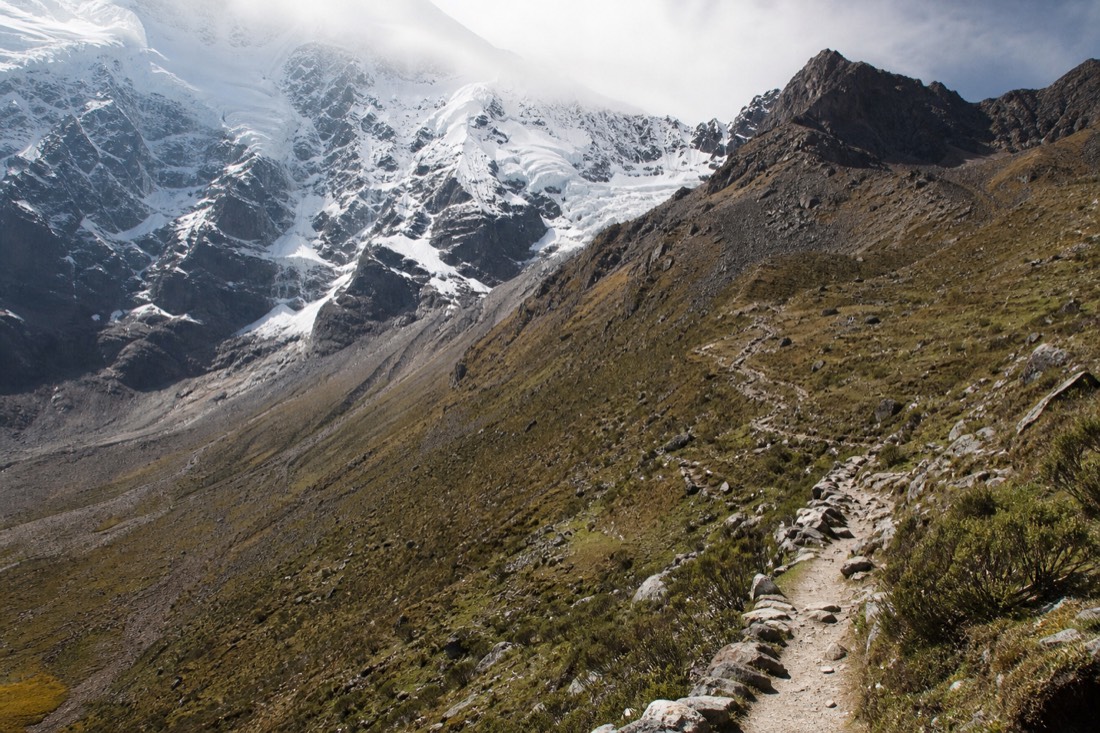
The person I watch hardest is not the one complaining, it is the one who went quiet. Strong, competitive hikers are the classic altitude casualties, because they treat the switchbacks like a race and ignore the early headache. I would rather hear about a sore head at the first rest stop than discover it at the false summit. That is why I ask, repeatedly, and why I tell every group that honesty about how you feel is a trail skill, not a weakness.
There is a line between the ordinary misery of soroche and the signs that mean stop, and every hiker should know it before the switchbacks, not during them. Mild altitude sickness is common and passes with rest and water. The dangerous escalation is different, and it calls for descent and care, never willpower.
| Level | Signs | What to do |
|---|---|---|
| Mild soroche (common) | Headache, tiredness, poor appetite, breathless on effort | Rest, hydrate, coca or muña tea, give it time |
| Warning | Headache painkillers do not touch, vomiting, dizziness at rest | Stop climbing, tell your guide, do not go higher |
| Emergency | Confusion, staggering, breathless sitting still, a wet cough | Descend at once and seek medical care |
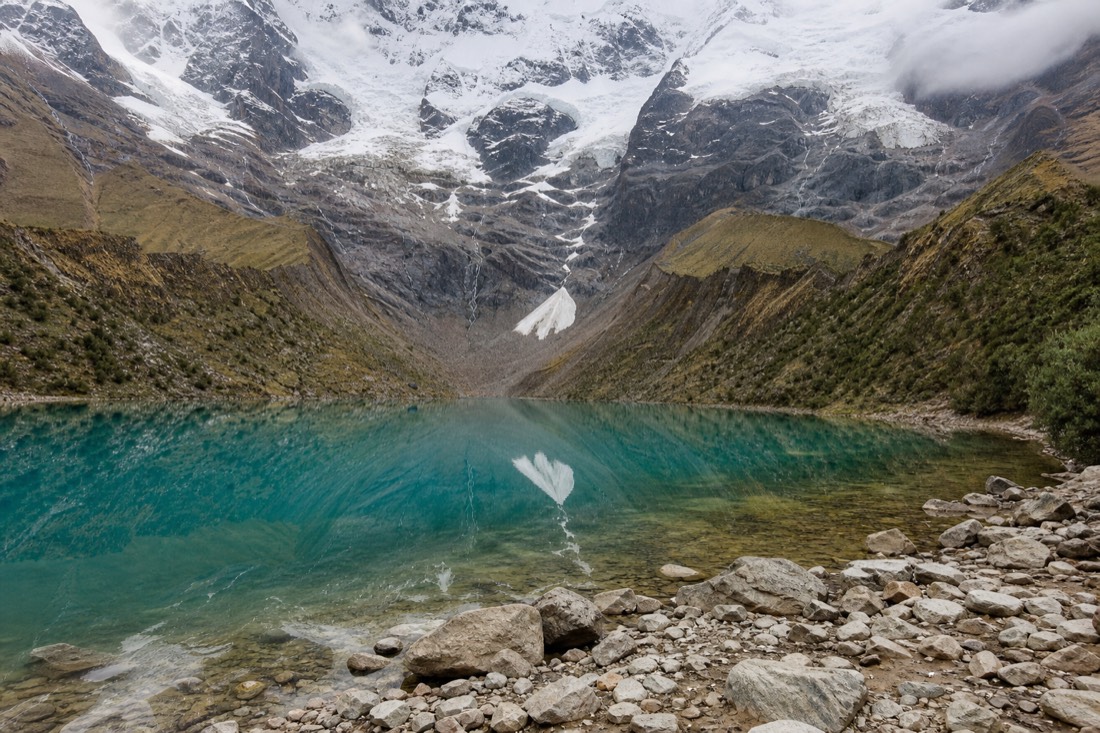
Learn that bottom row and you will never confuse a bad headache with an emergency. The reassurance is that the featured departure carries emergency oxygen and a first aid kit, and its guides watch for these signs all day, but the traveller who knows them too is the safest one on the mountain. Respect the first 48 hours, tell your guide early, and the climb to that turquoise water becomes the good kind of hard.
Your next step
Choose your day from Cusco
Match the trip to your plans
General recommendation · confirm your own requirements
Humantay Lake with breakfast and buffet lunch
Have a date in mind? Let one booking cover the ride to Soraypampa, your guide and both meals. Check your departure before arranging the rest of your trip.
12–13.5 hours · Transport, English/Spanish guide, breakfast and buffet lunch, first aid and emergency oxygen. Entrance fee and optional horse are extra, paid locally in cash.
Choose the historic-center pickup option and confirm your hotel; other options use a meeting point. Downtown Cusco drop-off.
A steep high-altitude hike. Not suitable for pregnancy, mobility or respiratory limitations, vertigo or low fitness. A horse does not remove the walking or altitude requirements. Free cancellation until 24 hours before departure.
Affiliate links: we may earn a commission if you book, at no extra cost to you.