Taking Kids and Older Parents to Humantay: What I Tell Families
A Humantay guide's honest advice for families: realistic expectations by age, the horse option, pacing and turnaround rules, and when to pick a different day trip.
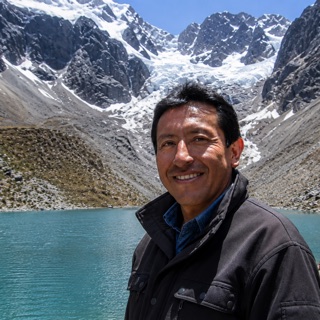 By Carlos Mamani, Humantay Lake tour guide & high-altitude specialist
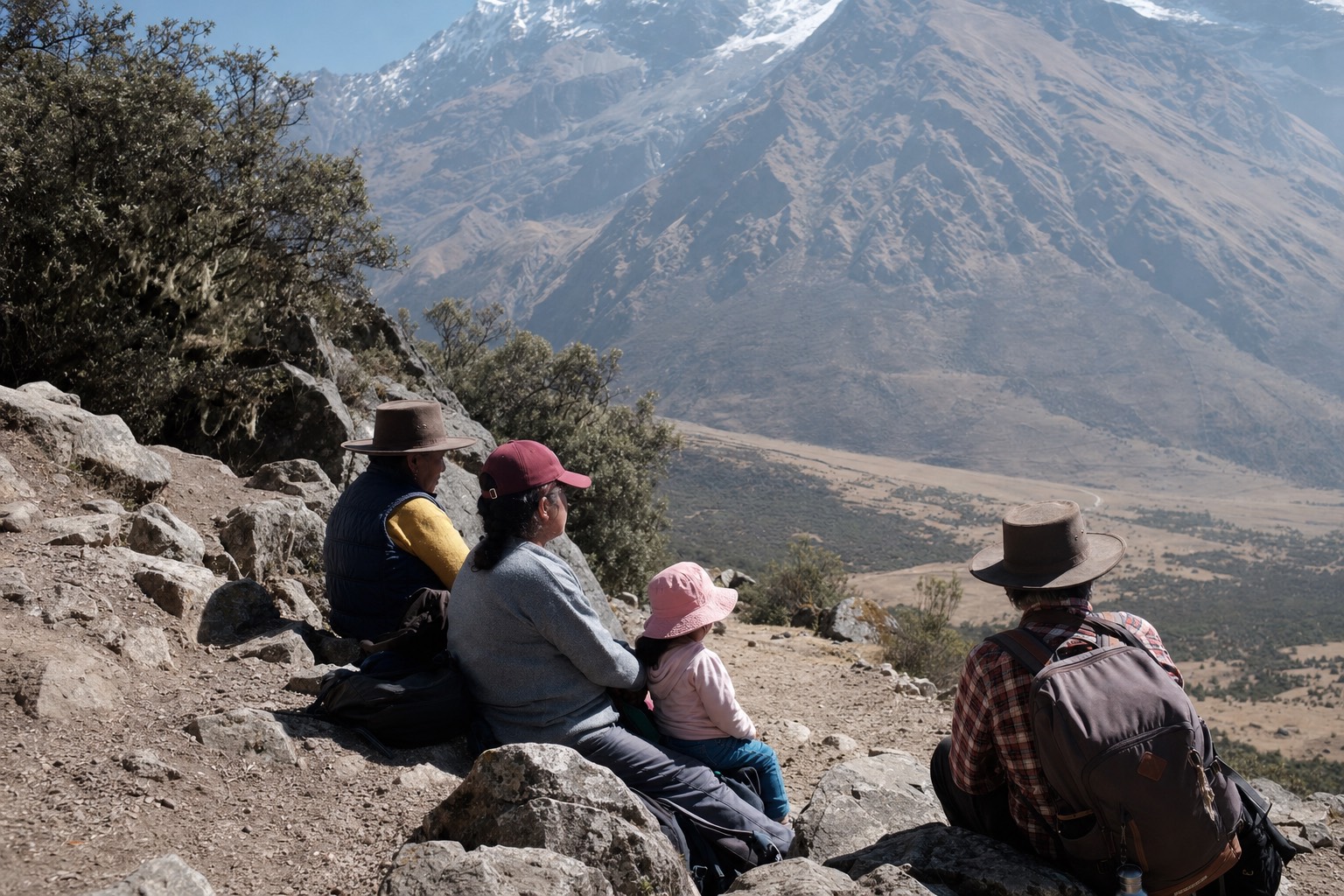
At the Soraypampa briefing I can usually spot the family before anyone says a word. A teenager already twenty metres up the trail, a parent doing quiet arithmetic about water bottles, and a grandmother looking at the switchbacks with an expression somewhere between determination and lawsuit. I have paced hundreds of family groups up this mountain since 2022, and the ones who reach the lake happy all did the same thing: they decided in Cusco, honestly, what this hike would ask of the weakest walker in the group. Not the strongest. That is the whole trick, and the rest of this post is just the details.
Booking choice: See the complete guided hiking day before deciding whether its demands suit your family. Check Humantay Lake dates
Affiliate recommendation · final price and options on GetYourGuide.What this hike actually asks of a body
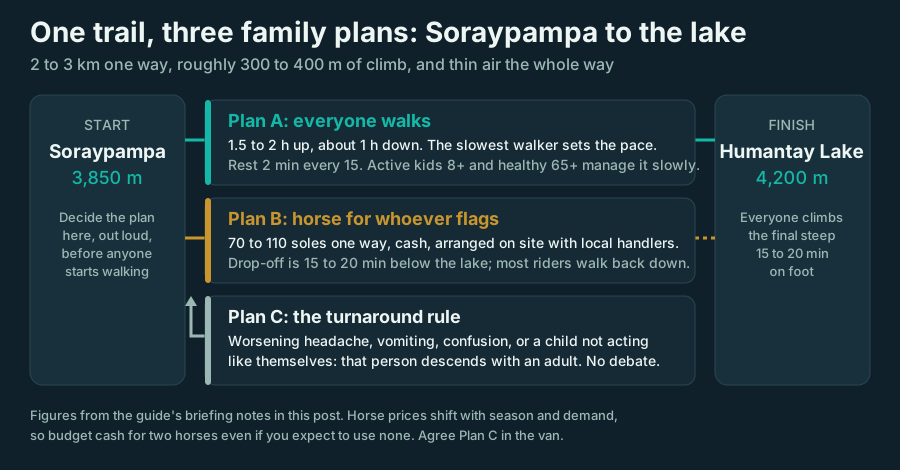
The trail climbs roughly 300 to 400 metres over about 2 to 3 kilometres of steep, rocky path, starting near 3,850 metres and topping out at the lake at 4,200. Fit adults take 1.5 to 2 hours up and about an hour down. The altitude, not the distance, is what tests people.
On paper this looks short. Guests read "3 kilometres" and mentally file it next to a walk in the park back home, and then the first steep section above Soraypampa recalibrates everyone. The air at 3,900 metres carries meaningfully less oxygen than Cusco at 3,400, and Cusco itself already has most visitors puffing on staircases for the first two days.
| The numbers | What they mean for a family |
|---|---|
| ~2 to 3 km one way | Short enough that slow is fine; there is no time pressure worth rushing for |
| ~300 to 470 m elevation gain | Comparable to a 100-storey stair climb, on loose rock, in thin air |
| Trailhead ~3,850 to 3,900 m | Already higher than almost anywhere in Europe or the lower 48 states |
| Lake at 4,200 m | Altitude illness territory for anyone, any age, any fitness |
| 1.5 to 2 h up, ~1 h down | Families with kids or slower walkers should budget the top of every range |
The two days of acclimatization in Cusco beforehand are not negotiable for families, and honestly I would push for three with children or parents over 65. My full reasoning is in the altitude and acclimatization guide, but the short version: arriving in Cusco and hiking Humantay the next morning is how families end up in my worst stories instead of my best ones.
Realistic expectations by age and fitness
Active kids from about 8 up usually manage the hike better than their parents expect, teens treat it as a personal race, and healthy adults in their 60s and 70s summit regularly at a slow pace. The people who struggle most are unacclimatized adults of any age who assumed fitness at sea level would carry them.
Children handle altitude much the way adults do. Medical guidance from the CDC on travel to high altitudes makes exactly that point: kids get altitude illness at similar rates, with the complication that a young child may not articulate a headache, they just turn cranky, clingy, or quiet. A parent who knows their child's normal is the best altitude monitor on the mountain. Watch for the kid who stops being themselves.
Here is the honest matrix I run through with families at briefings:
| Group member | Typical outcome | My advice |
|---|---|---|
| Kids under 6 | Rarely walk the whole way; carriers are heavy work at 4,000 m | Think hard about whether this is the right day trip yet |
| Kids 8 to 12, active | Usually fine with snack-driven pacing and a game or two | Give them a job: trail spotter, snack marshal |
| Teenagers | Often first to the moraine, then smug about it | Fine; make them wait at the marked rest points |
| Parents 40 to 60, average fitness | Fine if acclimatized, humbled if not | Two Cusco days minimum, slow steady pace |
| Grandparents 65 plus, healthy and walking regularly | Summit all the time, slowly and proudly | Horse option as backup, poles, extra layers |
| Anyone with respiratory, heart, or mobility issues | The operator excludes these for good reason | Different day trip, no exceptions |
Fitness matters less than humility. Every season some marathon-fit parent charges the first slope, hits the thin air like a wall, and gets passed forty minutes later by their own mother taking tiny steps. The mountain grades on pacing, not gym membership.
The horse option: a family tool, not a defeat
Local horses can be hired at Soraypampa for roughly 70 to 110 soles one way, paid in cash on site and arranged with the handlers, not through tour operators. They carry a rider to a drop-off point 15 to 20 minutes' walk below the lake. For mixed-ability families, this is the single best backup plan on the mountain.
I want to reframe the horse for you, because guests treat it like an admission of failure and that framing wrecks family trips. The horse is a tool. It lets a grandmother stand at the shore next to her grandchildren instead of waiting in the van, and it turns "we cannot all do this" into "we can all do this differently." I have written a whole post on the horse decision at Soraypampa, but the family-specific version is:
| Horse question | The reality |
|---|---|
| Who benefits most | Older parents, anyone doubting their climb, tired kids on the way up |
| Cost | About 70 to 110 soles one way, cash, price shifts with season and demand |
| Booked how | On site at Soraypampa with local handlers; tours do not manage it |
| Does it reach the lake | No. Everyone walks the final steep 15 to 20 minutes |
| Downhill | Most riders walk down; discuss it with the handler before paying |
| The family play | Decide before the trailhead who takes a horse if they flag, so it is a plan, not a crisis |
That final walking stretch matters. Even the horse plan requires every member of the family to climb a steep 15 to 20 minutes at 4,100 metres, so the horse reduces the challenge, it does not delete it. Budget the cash for two horses even if you expect to use zero. The worst time to discover you are 80 soles short is halfway up a mountain.
Pacing and turnaround rules I give every family
Walk at the pace of the slowest person, stop for two minutes every fifteen, and agree before the trailhead on a turnaround rule: worsening headache, vomiting, confusion, unusual breathlessness at rest, or a child who stops acting like themselves means that person descends, with an adult, no debate.
The pacing rule sounds obvious and gets broken within ten minutes on most family hikes I watch. The group strings out, the strong ones wait ahead just long enough for the slow one to catch up, then set off again immediately. The slowest walker never rests. Keep the family in one clump and make the strongest member the designated sweeper at the back, it flatters everyone and it works.
The turnaround rule needs to be agreed in the van, out loud, while everyone is comfortable. Mild headache and heavy breathing on the climbs are normal at this altitude. A headache that builds despite rest and water, nausea that becomes vomiting, dizziness, or anyone becoming confused or strangely quiet is not, and descending is the treatment. The tour guides on a good departure carry a first aid kit and an emergency oxygen bottle, and they make this call professionally, but a family that has pre-agreed the rule never wastes ten dangerous minutes arguing with a proud relative.
This is the quick reference I want every family carrying in their heads on the climb, agreed out loud in the van before anyone is tired:
| Sign on the trail | What it usually is | What the family does |
|---|---|---|
| Mild headache, heavy breathing on the climbs | Normal response to thin air | Slow down, drink, rest two minutes |
| Headache that keeps building despite rest and water | A warning, not normal | That person descends with an adult |
| Nausea that turns into vomiting | A warning | Descend, no debate |
| Dizziness, or anyone becoming confused | A warning | Descend at once with an adult |
| Unusual breathlessness at rest | A warning | Descend with an adult |
| A child who goes quiet, clingy, or stops acting like themselves | Possible altitude illness a young kid cannot name | Stop, check, descend if it holds |
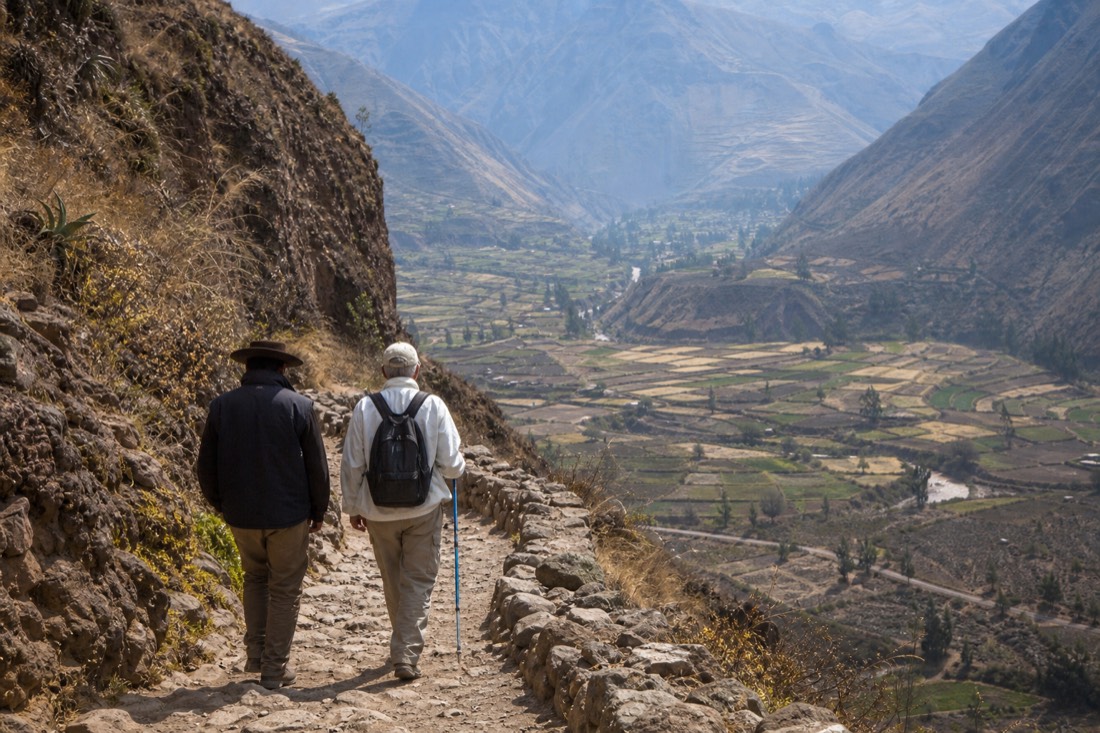
One more pacing note for parents of young kids: bribery is professional-grade mountaineering technique. A pocket of small snacks deployed every fifteen minutes gets an eight-year-old to the moraine faster than any speech about perseverance.
The operator's restrictions are real, not legal boilerplate
The featured departure lists itself as not suitable for pregnant travellers, people with respiratory or mobility issues, anyone with vertigo, and those with low fitness. At 4,200 metres with a steep rocky trail and a three-hour drive back to Cusco, these exclusions protect your family. Treat them as hard lines.
I need to be blunt here because this is where wishful thinking gets dangerous. Families sometimes read restrictions as insurance-speak and quietly book grandpa with the bad lungs anyway, assuming he can just take it slow. He cannot. Respiratory conditions and thin air are a genuinely bad combination, help is hours away by rough road, and no lake photo justifies it. The same goes for pregnancy and for mobility issues on a trail of loose rock where every step down is a small controlled fall.
If one family member falls under those exclusions, the right move is not to sneak them on, and it is not to cancel Peru. It is to pick a day that fits. Cusco's surroundings are full of spectacular low-exertion days: the Sacred Valley, Pisac's terraces and market, Chinchero and Moray at a gentle stroll. I keep a full list in the best day trips from Cusco, and splitting the family for one day, half to the lake and half to the valley, has saved more holidays than any other advice on this page.
Small groups matter enormously with kids and older parents, because a guide with twelve guests can pace a family. A guide with forty cannot.
When a family should choose a different day trip
Choose something else if anyone is excluded by the operator's restrictions, if you cannot give Cusco at least two acclimatization days first, if your youngest is under about six, or if one member would spend the day anxious rather than amazed. Humantay rewards families who fit it, and punishes families who force it.
There is no shame in this. The lake has stood below its glacier for a very long time and will still be turquoise when your kids are old enough or your parents are acclimatized on a longer trip. What you cannot get back is a single precious Cusco day spent with a miserable seven-year-old and a frightened grandparent on a cold mountain.
My honest decision shortcut: if you are asking "can we technically manage it," you probably can. If you are asking "will everyone remember this fondly," and you hesitate, take the Sacred Valley day and book Humantay for the members who want it. Families that split for a day come back to dinner in Cusco with two sets of stories instead of one shared ordeal. I have eaten near enough of those dinners to know which table is laughing harder.
Bring the layers, agree the turnaround rule, put the proud relative on a horse without ceremony, and let the slowest person set the pace. Do that, and the photo of three generations standing above the turquoise is not a gamble. It is just Tuesday on my mountain, and it is one of the best things I get to watch.
Your next step
Choose your day from Cusco
Match the trip to your plans
General recommendation · confirm your own requirements
Humantay Lake with breakfast and buffet lunch
Have a date in mind? Let one booking cover the ride to Soraypampa, your guide and both meals. Check your departure before arranging the rest of your trip.
12–13.5 hours · Transport, English/Spanish guide, breakfast and buffet lunch, first aid and emergency oxygen. Entrance fee and optional horse are extra, paid locally in cash.
Choose the historic-center pickup option and confirm your hotel; other options use a meeting point. Downtown Cusco drop-off.
A steep high-altitude hike. Not suitable for pregnancy, mobility or respiratory limitations, vertigo or low fitness. A horse does not remove the walking or altitude requirements. Free cancellation until 24 hours before departure.
Affiliate links: we may earn a commission if you book, at no extra cost to you.